

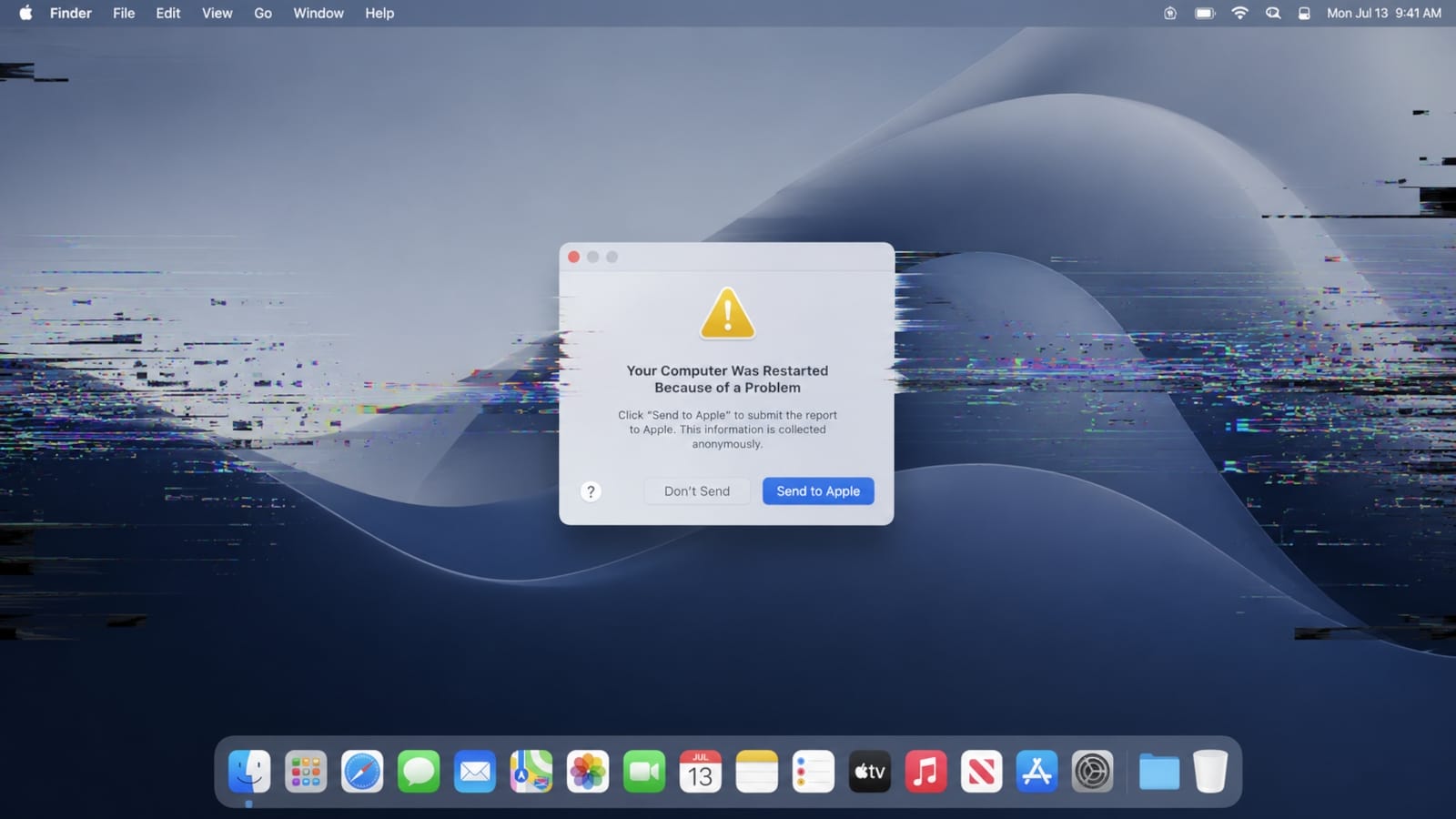
The threat landscape surrounding corporate desktop operating systems is facing an innovative social engineering and evasion strategy. Specifically, security researchers have detailed a newly emerging threat lifecycle involving the distribution of CrashStealer malware. This specialized data-harvesting tool actively masquerades as a standard Apple operating system crash utility to avoid suspicion from enterprise end-users. Consequently, organizations operating mixed-OS infrastructure environments must proactively review their endpoint visibility configurations to track down this deceptive software strain.
The Deceptive Lure: Spoofing System Tools
Unlike typical malware strains that use generic document icons or fake application installers, this campaign relies on deep system-level impersonation. The infection bundle drops an executable file intentionally named to mimic legitimate diagnostic packages natively found within the operating system directory. However, the software bundle actually contains a highly weaponized data harvester designed to run silently in the background.
As a result of this naming convention, typical users reviewing active running processes on their workstations are highly likely to overlook the unauthorized execution loop. Therefore, the malware manages to establish an immediate operational runway without triggering suspicion from the device owner.
Why It Matters
This campaign demonstrates a shifting mindset among modern malware developers who are focusing heavily on user trust. In the past, adversaries relied heavily on complex software vulnerability exploits to gain a footing on high-value developer workstations. Conversely, packaging the threat inside an apparent system utility bypasses the need for zero-day exploits entirely. Because the user believes they are simply interacting with a built-in OS service, they are far more likely to accidentally approve administrative privilege requests or allow persistent execution permissions.
Anatomy of the Exfiltration Cycle
Once initialized on a target workstation, the CrashStealer malware quickly begins analyzing local file structures. The malware is purposefully hardcoded to target application directories associated with high-value communication tools, secure web browsers, and corporate login portals. Moreover, it actively extracts local databases containing stored web credentials, active session cookies, cryptocurrency wallet addresses, and system configuration profiles.
Consequently, after assembling the compromised data points into highly compressed local caches, the program opens an encrypted outbound network session. It then securely uploads the harvested files directly to an external command-and-control server operated by the threat actors. In addition, the malware clears its temporary local file footprints to minimize detection risks during post-incident investigations.
For deep-dive frameworks on safeguarding corporate desktop assets from data-harvesting threats, read our comprehensive strategies on /enterprise-security/ hardening.
Remediation and Proactive Security Control Upgrades
Defending against this style of endpoint impersonation requires security teams to implement rigorous code-signing and application-control validation policies. Organizations should verify that their endpoint detection software is actively tracking binary metadata rather than relying on file descriptions alone.
First, system administrators must enforce strict application whitelisting rules that block binaries from running in user-writable directories, such as temporary cache folders or download paths. Second, organizations should build automated alerts that flag any process attempting to mimic system diagnostic utilities that lacks a validated, verified certificate from the operating system vendor. Furthermore, security operations teams should audit outbound proxy connections for unexpected data transfers targeting unclassified external hosting environments.
To track newly emerging infostealer variants and cross-platform malware developments, monitor our real-time tracking panel over at /cybersecurity-news/.
Enterprise Impact
The presence of active information stealers on corporate endpoints poses an immediate threat to identity management structures. By siphoning session cookies directly from employee workstations, attackers can bypass traditional Multi-Factor Authentication (MFA) requirements to log directly into internal cloud portals. As a result, maintaining tight application-level oversight and running frequent behavioral threat-hunting cycles are vital components of modern network protection.
⚠️ Warning for System Administrators: Check your running process logs immediately. If you identify binaries running outside of protected root system directories that claim to handle operating system error analytics, treat the endpoint as high-risk and initiate standard credential isolation protocols.
🧾 KEY TAKEAWAYS SECTION
- A newly identified campaign delivers the CrashStealer malware under the guise of an official operating system utility.
- The malware deliberately mimics error-reporting processes to deceive end-users and bypass standard administrative profiling.
- The main objective of the software is to systematically harvest stored passwords, web cookies, and secure session identifiers.
- Stolen data packages are compressed locally and exfiltrated to attacker-controlled command-and-control infrastructure.
- Defenders must use strict application-tracking controls and binary signature checks to identify lookalike system utilities.
🔗 SOURCE SECTION
Original News Coverage: BleepingComputer
No responses yet